
Wallpaper Is Back: What GTA Homeowners Should Know
What to expect when choosing, installing, and maintaining wallpaper in Oakville and nearby communities.
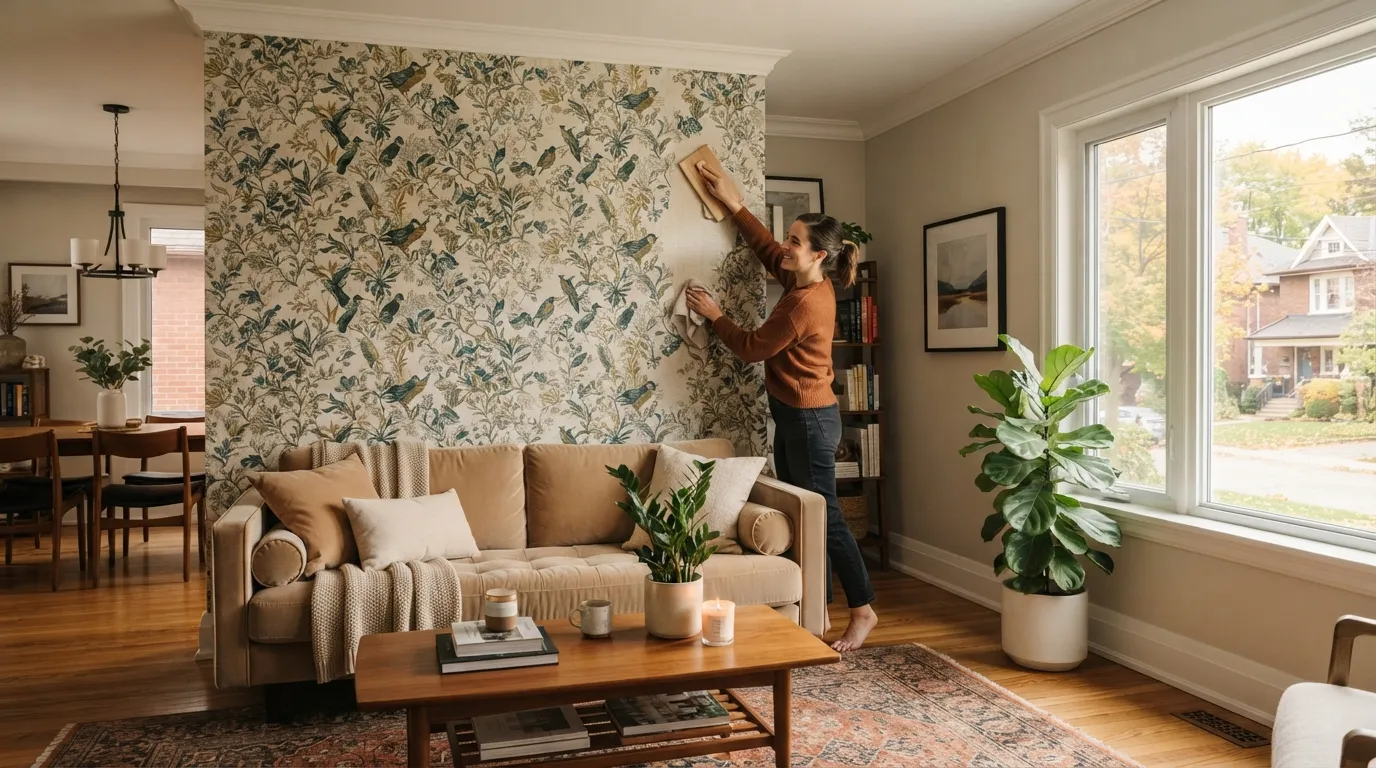
Is wallpaper a practical choice for GTA homes today?
Yes — modern wallpapers and installation methods make wallpaper a practical, durable design choice for many Greater Toronto Area homes when you match material, surface prep and humidity control to the room’s use and climate conditions.
What 'wallpaper' means now
Wallpaper today ranges from traditional paper pasted to the wall to vinyl, non-woven, peel-and-stick, and grasscloth alternatives. Many are wipeable or scrubbable for kitchens and entryways, while designer papers prioritize texture and pattern for living spaces and bedrooms.
Materials and durability
Vinyl and properly coated non-woven papers are the most durable for family homes — they resist moisture, stains, and cleaning. Paper-backed and delicate natural-fiber papers look great but are more vulnerable to humidity and wear, so choose them for low-traffic rooms only.
Climate and performance in southern Ontario
Oakville’s seasonal humidity swings and cold winters mean controlling indoor humidity and allowing walls to acclimate are important. Proper priming, sealing and HVAC behavior through the year reduce risks of lift, bubbling or mold behind the paper.
When to pick wallpaper over paint
Choose wallpaper when you want complex patterning, texture, or a durable surface that hides minor imperfections. Paint is still best for budget rooms, high-moisture areas without special ventilation, or where you’ll change styles frequently.
Step-by-Step: Wallpaper Is Back: What GTA Homeowners Should Know
A clear installation workflow helps avoid surprises. Use these steps whether you DIY a peel-and-stick or hire a pro for traditional paste wallpaper.
- 1
Decide material and pattern
Measure walls accurately and account for pattern repeats — larger repeats and matched seams mean more waste and higher material cost. Pick a material rated for the room (vinyl for kitchens/half-baths, non-woven for living rooms, peel-and-stick for renters or short-term installs).
- 2
Inspect and prepare surfaces
Remove baseboards or outlet covers if needed and repair holes, dents, and flaking paint. New drywall should be primed with a sizing primer; old painted walls may require deglossing or a specific adhesive primer to ensure adhesion.
- 3
Acclimate materials
Bring rolls into the heated living space 24–48 hours before installation so the paper and adhesive can stabilize to Oakville indoor temperatures and relative humidity. This step reduces shrinkage, expansion and alignment problems after hanging.
- 4
Hang or adhere the paper
For traditional papers, apply paste according to manufacturer instructions and book the paper before installation, then smooth from top to bottom with a seam roller and smoothing brush. For peel-and-stick, start on a plumb line and slowly remove backing while smoothing to avoid trapped air.
- 5
Finish and trim
Trim edges at ceilings, corners and baseboards with a sharp blade, and use proper corner techniques — miters or overlapping depending on wallpaper type. Reinstall trim and plate covers after adhesive sets to avoid disturbing seams.
- 6
Ventilate and monitor
Keep the room ventilated for 48–72 hours while adhesive cures and avoid heavy humidity (showers, cooking without exhaust) that can stress seams. Check seams and edges weekly for the first month and address any lifting promptly to prevent moisture infiltration.
Mistakes to Avoid
Wallpaper can fail from small oversights that are easy to prevent. These common errors cost time and money but have clear fixes if you plan ahead.
Skipping proper surface prep
Failing to repair drywall, remove glossy paint or prime will lead to poor adhesion and bubbling. Invest time in prep—clean, sand, fill and prime—and you'll avoid most early failures.
Underestimating pattern repeat and waste
Buying just enough paper without accounting for pattern matching can leave you short of the correct lot or print run. Always order extra (typically 10–20% more for matched repeats) and note batch numbers so seams match in color and pattern.
Using the wrong adhesive or method
Different wallpapers need specific pastes or no paste at all; using the wrong product causes lifting, staining, or adhesive bleed-through. Read manufacturer instructions and, for specialty papers like grasscloth, use adhesives recommended for natural fibers.
Ignoring humidity and HVAC
Installing wallpaper during humid summer or when heating cycles are erratic can cause expansion or drying too fast. Schedule installs when indoor climate is stable — in Oakville that often means late spring through early fall with controlled humidity — and run ventilation as recommended.
What Affects Your Outcome
Factors that influence installation quality and longevity:
Material type
Vinyl, non-woven, paper-backed and natural fibers each behave differently — choose the type tailored to traffic, moisture exposure and aesthetic goals.
Surface condition
Old paint, uneven drywall or residual wallpaper adhesive will affect adhesion and the final appearance. Proper prep is essential to a lasting job.
Pattern repeat and roll matching
Large repeats increase waste and require more precise alignment, which raises material and labor cost and can extend installation time.
Installer skill
Experienced installers anticipate shrinkage, corner techniques and patching issues; less-experienced labor can lead to visible seams and premature failure.
Indoor climate control
Relative humidity and temperature swings in Oakville and nearby Mississauga or Burlington affect adhesive cure and paper expansion — consistent HVAC reduces movement and failures.
Timing and schedule
Rushed jobs, late deliveries, or installing during extreme weather increases the chance of mistakes and callbacks. Plan schedules with buffer time for acclimation and any unexpected repairs.
Frequently Asked Questions
Can I put wallpaper over existing paint?
Yes, provided the existing paint is in sound condition: firmly adhered, clean, dry, and not glossy. Scuff glossy finishes, fill holes, and apply a sizing or bonding primer if recommended by the wallpaper manufacturer.
How long does wallpaper last in a typical Oakville home?
A properly installed, high-quality wallpaper can last 10–20 years in a low-traffic, climate-controlled room. Durability depends on material, exposure to moisture and sunlight, and how well seams and edges were installed.
Is wallpaper a good choice for bathrooms and kitchens?
Vinyl or specially coated non-woven papers work reasonably well in kitchens and powder rooms with ventilation; avoid delicate papers in steam-heavy bathrooms unless there’s excellent exhaust ventilation and glue rated for humid conditions.
What about removing old wallpaper — how hard is it?
Removal difficulty depends on adhesive type and wall condition; strippable/peelable wallpapers come off easier, while older water-resistant adhesives may need scoring and a solvent or steam. Plan for surface repairs and possible skim-coating after removal.
Do I need a permit to put wallpaper in Oakville?
No building permit is required for installing or removing wallpaper, but if the work is part of a larger renovation that changes walls, structure or electrical, you may need permits. Always verify with the Town of Oakville building department and your insurer if the work affects policy coverage.
How do I choose between DIY and hiring a pro?
Choose DIY for small rooms, peel-and-stick products, or if you have patience and the right tools. Hire a pro for large pattern repeats, difficult corners, tricky substrates, or expensive materials where mistakes are costly—local pros understand Oakville-area conditions and can save time.
Free in-home wallpaper assessment for Oakville homeowners
Book a no-obligation visit to review your walls, discuss materials, and get a written recommendation tailored to your home.
Get a Free Quote