
What Drives Professional Painting Costs in the GTA
Understand the real factors that set the price for professional interior and exterior painting in Oakville and the GTA.
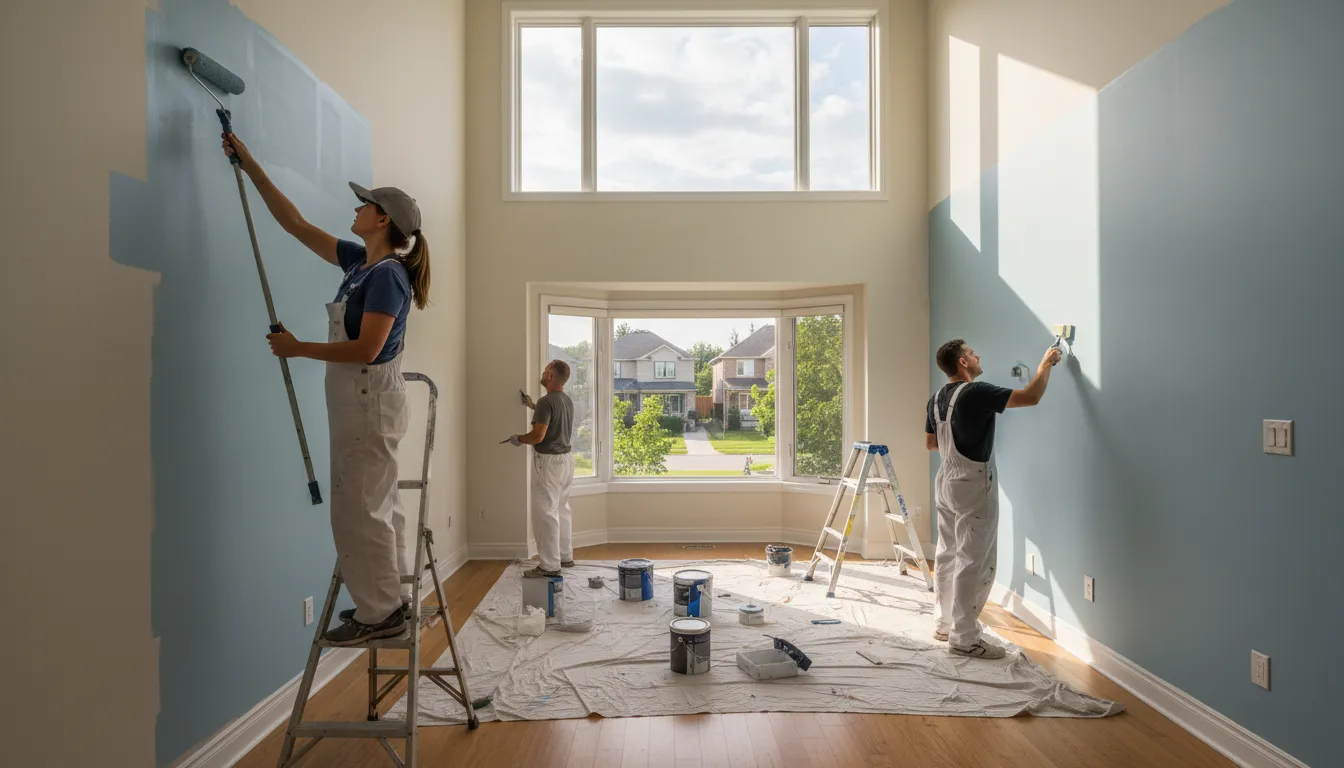
What determines how much a professional painting job will cost?
Professional painting cost depends mainly on surface area and condition, paint quality, required prep and repairs, labor time, and access/seasonal constraints—these combine to set the final price.
Surface area and scope
Painters price by square footage or by room count for interiors, and by linear footage, square footage, or elevation for exteriors. Larger jobs benefit from economies of scale, while small touch-ups and single-room repaints often carry a higher per-square-foot cost because setup and mobilization time are similar.
Surface condition and prep work
Peeling paint, water damage, wood rot, mildew or multiple coats of old paint require additional scraping, sanding, priming or replacement of trim. Since prep can be the most labour-intensive part of a job, the visible condition of walls and trim strongly shifts labor hours and total cost.
Paint type and finish
Higher-grade acrylics, low-VOC or zero-VOC paints, specialty mildew-resistant or exterior elastomeric coatings cost more per litre but often require fewer coats and last longer. Finish (flat, eggshell, satin, semi-gloss) affects appearance and durability; higher-gloss finishes typically need better prep and more skilled application.
Access, height and logistics
Working from ladders, scaffolding or lifts adds cost because of rental, setup time and safety requirements. Tight access (narrow driveways or homes close together), long walks from parking zones in older Oakville neighborhoods, or multi-storey dwellings in the GTA increase labour and equipment time.
Step-by-Step: What Drives Professional Painting Costs in the GTA
This is the typical sequence that turns a homeowner’s repaint idea into a priced, scheduled job; each step identifies cost drivers you can influence.
- 1
Initial inspection and measure
A contractor visits to measure areas, assess substrate condition and note access challenges. Detailed measuring reduces surprises; inaccurate measurements are a common reason estimates change mid-job.
- 2
Scope definition and paint selection
You and the contractor decide which surfaces, trims and finishes to include and choose paint brands/grades. Picking premium products or specialty finishes will raise material costs but can lower maintenance and recoating frequency later.
- 3
Estimate and inclusions
The contractor issues an estimate that should list prep work, number of coats, brand and colour allowances, and warranty information. Clear, written inclusions prevent disputes—ask for labor hours, primer use, and cleanup details.
- 4
Scheduling and seasonal timing
For exteriors, booking during the warm, dry months in Ontario (typically late spring through early fall) avoids paint failure and can reduce weather delays; demand peaks in these months and can increase price. Interior work can be scheduled year-round but may be impacted by humidity, HVAC use and drying times.
- 5
Work execution and change orders
Painters perform prep, apply primer and finish coats, and clean up. Unexpected issues—hidden rot, lead paint concerns in older houses, or major drywall repairs—trigger change orders; addressing them promptly keeps projects on track.
- 6
Final walk and warranty
You inspect the finished work with the contractor, note touch-ups and confirm cleanup. Many reputable contractors provide a limited workmanship warranty; confirm what it covers and for how long.
Mistakes to Avoid
Avoiding common missteps saves money and trouble. Some choices that look cheaper upfront can double the cost over a few years through rework, callbacks, or premature failure.
Choosing price over written scope
A low quote with vague inclusions often omits key prep or uses cheap materials, causing early peeling or uneven coverage. Always compare written scopes: number of coats, primer use, brand/finish, and specific prep tasks to be performed.
Skipping proper surface preparation
Neglecting to address moisture, mildew, or failing trim before painting leads to adhesion failure and recurrent repairs. Pay for thorough prep now—scraping, caulking, patching and priming pay dividends in longevity.
Not checking contractor credentials and insurance
Hiring unlicensed or uninsured painters risks property damage and leaves you exposed if a worker is injured on your property. In Ontario, confirm WSIB or equivalent coverage and that the contractor carries liability insurance; also check references and portfolio work in Oakville or nearby Burlington.
Changing colours mid-project without a plan
Last-minute colour swaps, especially between drastically different hues, often require additional primer or extra finish coats and can delay completion. Finalize colour choices before work begins and include a contingency for unforeseen colour-related coverage.
What Affects Your Outcome
These practical factors change how costs and timelines play out in real jobs.
Season and weather
Exterior painting is best during dry, mild weather; rain or high humidity in spring or late fall in Oakville can force rescheduling and add costs.
Quality of documentation and photos
Clear photos and a written list of problem areas help contractors estimate accurately and reduce the chance of mid-job surprises.
Type of property and age
Older homes often need more preparatory repairs and may have lead-based paint considerations, increasing cost and compliance steps.
Permit, condo or heritage rules
Some Oakville neighborhoods and Halton Region heritage districts have rules around exterior colours or scaffolding placement; verify with your local building or heritage office before scheduling.
Contractor choice and crew skill
Experienced crews often complete work faster and with fewer callbacks; however their hourly rates are higher. Balance reputation, reviews, and portfolio against price.
Project timing and deadlines
Tight turnaround needs (e.g., before a staging or sale) can increase cost because crews may work overtime or prioritize your job over others.
Frequently Asked Questions
How much does a typical interior repaint cost in the GTA?
Costs vary by room size, prep needs and paint quality, so give contractors measurements and photos for an accurate estimate. Generally expect a range rather than a single price—smaller jobs often have a higher per-square-foot rate than full-home repaints.
Does Ontario require permits for exterior painting?
Painting alone usually doesn't need a municipal building permit, but scaffolding, sidewalk closures or work in a heritage conservation district can trigger local rules. Always confirm with your local building or heritage office in Oakville or Halton Region before starting.
Should I expect a written warranty?
Reputable painters typically offer a limited workmanship warranty covering issues like peeling or obvious defects for a defined period. Warranty terms vary—get it in writing and ask what triggers a warranty claim and whether materials and labour are included.
Can I supply my own paint to save money?
Supplying paint can reduce material line items but may void contractor warranties if the painter can't guarantee product performance. If you choose this route, buy commercial-grade product matching the contractor’s specified brand and inform them in advance.
How do I handle lead paint in an older Oakville home?
Homes built before 1978 may have lead-containing paint, though in Canada the timeline and regulations differ; if you suspect lead, get a certified test and use a contractor experienced in lead-safe work practices. Follow provincial and municipal guidance and disclose findings before work begins.
Why did my estimate change after work started?
Hidden issues uncovered during prep—rot, mould, water damage, or structural repairs—often require extra labour and materials that were not visible at inspection. Good contractors document change orders and explain costs; insist on written approval for any extras before proceeding.
Free on-site painting assessment for Oakville homeowners
We’ll review prep needs, paint options and a written scope so you get an accurate estimate—no pressure, just clear information.
Get a Free Quote