
Interior Colour Choices That Age Well in Canadian Homes
How to choose lasting interior paint colours for Oakville and nearby homes
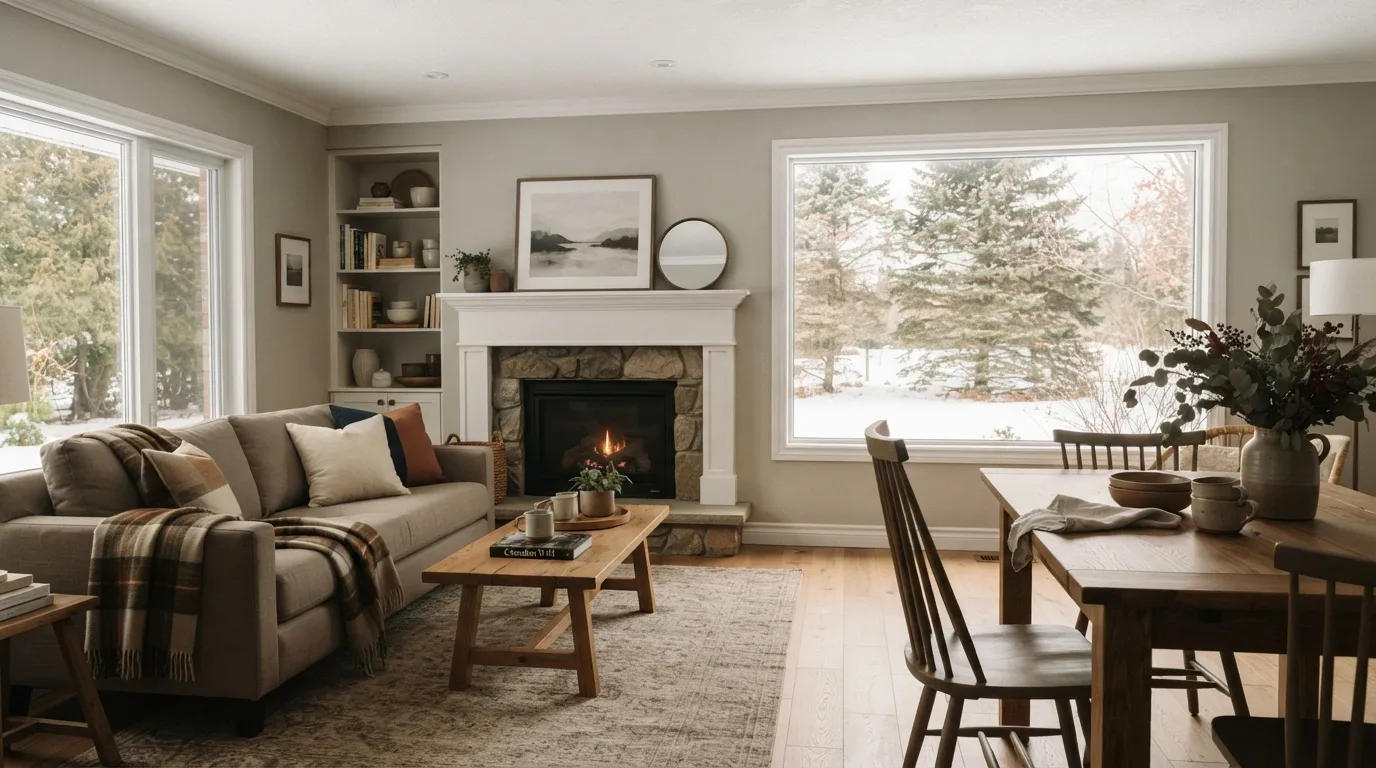
What interior colours genuinely age well in Canadian homes?
Colours that age well balance light, hue, and finish: muted, low-chroma neutrals and warm grays hold up longest; use durable sheens in high-traffic areas and choose undertones that pair with your natural and artificial light to avoid visible shifts over time.
Low-chroma neutrals are forgiving
Low-chroma neutrals—soft beiges, greiges, and warm grays—hide fingerprints, scuffs and the subtle dusting common in Ontario homes. Because they're less saturated, these colours shift less noticeably as finishes age or as natural light changes through hardwood floors, cabinetry and window treatments.
Undertones matter more than names
Two paints labelled 'greige' can look very different because of undertones (green, blue, yellow, or pink). Test samples on the wall and observe them at morning, afternoon and under your fixtures; in Oakville and neighbouring Burlington or Mississauga, winter light is bluer, which can cool warm undertones.
Match finish to use, not to style
Higher-sheen paints (eggshell to satin) clean easier and resist wear in hallways, kitchens, and kids’ rooms; flatter sheens hide surface flaws better in adult bedrooms or formal rooms. Choosing the right sheen extends the attractive life of the colour and reduces the need for earlier repainting.
Step-by-Step: Interior Colour Choices That Age Well in Canadian Homes
Follow these practical steps to pick and apply interior colours that stay attractive over years in Oakville-area homes. Each step helps you balance aesthetics, durability and local light conditions.
- 1
Inventory your home’s light and finishes
Walk each room at different times and note natural light direction, window size and neighbouring buildings—Oakville’s tree-lined streets and seasonal sun angle matter. Record dominant finishes (wood floors, tile, metal) because colours interact with them and can read warmer or cooler.
- 2
Select a base palette of core neutrals
Choose two to three low-chroma base colours for walls and trim—one for main living spaces, one for bedrooms and a trim/ceiling colour. Keep samples on the wall for at least a week so you see them under daylight and artificial lighting used in your home.
- 3
Use accent colours thoughtfully
Reserve bolder hues for focal points—one feature wall, built-ins, or doors—so they can be updated without repainting the whole house. Accent colours let you follow trends without committing the entire interior to a shade that may feel dated sooner.
- 4
Choose finishes by room function
Pick satin or eggshell for kitchens, bathrooms and hallways where cleanability matters; use matte or low-lustre in formal living areas to hide texture. In damp spaces, ensure paint and primer are rated for higher humidity to avoid early breakdown.
- 5
Test, photograph, and live with samples
Paint 12”–24” swatches in multiple locations per room and photograph them under different light, including evening with room lights on. Live with the samples for a few days—observing them across a stormy, sunny and cloudy day gives a realistic feel of long-term appearance.
- 6
Plan maintenance, not just selection
Document paint brand, colour name, formula and sheen for touch-ups; regular cleaning schedules and quick spot repairs delay full repainting. In Oakville’s humid summers and freeze-thaw winters, proper ventilation and humidity control help paint films last longer.
Mistakes to Avoid
Some choices make colour age poorly or force premature repainting. Avoid rushed decisions, ignoring undertones, and mismatch of sheen to use—each leads to visible ageing or cleaning headaches.
Skipping live swatches
Relying solely on chips or online photos is risky because monitor settings and small chips don't reveal undertone interactions or how colour shifts across a full wall. Live swatches show how winter light in Ontario pulls blue tones cooler and how incandescent fixtures warm colours at night.
Choosing high-gloss everywhere
Glossy finishes highlight imperfections and wear; using them broadly in living spaces exposes brush strokes, nail holes and drywall repairs. Reserve glossier sheens for trim and cabinetry where durability and cleanability are priorities.
Chasing trends without a neutral anchor
Trend colours age faster; a house painted entirely in a trendy saturated shade will likely look dated sooner. Use trend colours as accents and keep walls in timeless, low-chroma tones so updates are as simple as changing pillows and decor.
Ignoring substrate and primer needs
Failing to prime or not addressing stains, tannin bleed from maple or water marks can cause discolouration that appears like the paint colour changing. Invest in the right primer—stain-blocking, alkyd or high-adhesion types—especially in older Oakville homes with varied substrates.
What Affects Your Outcome
These factors change how paint colour and finish will look and last over time:
Natural light direction and seasonality
North-facing rooms in Oakville get cooler, bluer light, while south-facing rooms warm up. Seasonal differences—longer, stronger sun in summer versus low-angle winter light—alter perceived colour and sheen reflection.
Room function and traffic
High-traffic areas collect scuffs and require more washable sheens; bedrooms can use flatter finishes that conceal imperfections. Cleaning frequency and type influence how quickly finishes show wear.
Surface material and preparation
Plaster, new drywall, old oil-based paint or stained wood each require different primers and sometimes different topcoats. Proper prep prevents tannin bleed, flaking and early failure.
Paint quality and formulation
Higher-quality latex paints with fade-resistant pigments and better binders hold colour and sheen longer, reducing the need for early repainting. Low-cost paints can save upfront but often show wear sooner.
Climate and humidity control
Oakville’s humid summers and cold winters affect how paint cures and how moisture interacts with building materials; poor ventilation can lead to mildew and film breakdown. Consistent indoor humidity and ventilation extend finish life.
Contractor skill and application technique
Even the best colour choice looks poor with poor application—uneven roll pressure, insufficient coats or wrong drying times cause streaks and sheen differences. Hiring painters with local Oakville experience reduces these risks.
Frequently Asked Questions
How do I pick a neutral that won’t look dated?
Pick low-chroma neutrals with subtle undertones that complement your floors and fixed finishes. Test them on multiple walls and live with samples for a week; if they harmonize under morning and evening light, they’re likely to age gracefully.
Should I use the same paint for all rooms?
Not necessarily—match sheen and, sometimes, slightly different neutrals to room function and light. Use a consistent family of undertones across the house for flow, but choose higher-sheen, washable paints for kitchens and hallways.
Do darker colours show wear faster in Canadian homes?
Darker colours can show dust, scratches and touch-up differences more obviously than mid-tones, especially on satin or gloss finishes. Tip: use deeper shades on feature walls or cabinetry and reserve mid-tone neutrals for broad wall areas.
How much does paint quality affect long-term colour?
Paint quality matters: better pigments resist fading and higher-quality binders reduce chalking and loss of sheen. Investing in reputable products often means fewer repaints and more stability in appearance over time.
Are there Ontario-specific considerations I should know?
Yes—Ontario’s seasonal light shifts and humidity cycles affect colour perception and paint curing; ensure ventilation during humid summers and allow longer drying times in cooler months. For any permit or insurance questions about structural changes, verify rules with your local Oakville building department and insurer.
When should I call a pro versus DIY?
Hire a pro for tricky substrates, large open-plan spaces where colour consistency matters, or when staining and primer issues exist; a professional can recommend primers, finishes and application methods suited to your home. For small rooms and simple colour changes, DIY is practical if you prepare surfaces properly and test samples first.
Schedule a free colour consultation and inspection
We’ll assess light, surfaces and finishes in your Oakville home and recommend colours and sheens that stand up to local conditions.
Get a Free Quote